Inside House Plants Tools To Facilitate Your Everyday Life


Five Types of Inside House Plants
Whether you're an indoor gardener or just need to add some greenery to your garden, there are plants that can make excellent houseplants. They love indirect light that is bright to medium and mist or humidity.
A NASA study found that snake plants (Sansevieriatrifasciata) or mother-inlaw's tongue, eliminated toxic substances over time from indoor air. They are decorative, and easy to maintain.
1. English Ivy
Ivy plants, Hedera Helix is a stunning indoor houseplant. Their twisted tendrils spill out of flower pots and hanging containers. They are also commonly trained on trellis frames and wire topiary shapes to create fun and formal forms. While English Ivy is the most familiar type of ivie, there are other hedera helix cultivars with leaves of various shapes and colors. There are indoor house plants of varieties, including "Culy Locks which is a vigorous grower with leaves that are green, and twist, and curl. Gold Baby, which is smaller than other varieties, 'Glacier which is able to handle less light conditions, and 'Shamrock' which is a glossy, green variety that looks like outdoor ivy.
Ivies typically need indirect light that is bright to medium when used as a houseplant. They do not like low light and prefer brighter light. Ivy that is variegated is more likely to thrive in medium light than in high light. Water your ivy enough to keep it moist, but not saturated. Also, ensure that your plant is exposed to bright lighting for at least a few hours every day.
As an indoor plant, ivy can help improve air quality in your home. Ivy is an excellent natural humidifier and is able to absorb harmful toxins such as volatile organic compounds and particulates. You'll find ivies utilized in schools, hospitals, and office buildings to reduce respiratory issues.
Some people don't trust ivy to purify the air due to its harmful elements. If you don't want risk it, try other less-aggressive ivy lookalikes like philodendron or pothos.
While ivy does well as an indoor plant it is still susceptible to common indoor pests and diseases. Aphids and mites are two of the most prevalent pests. Both can be dealt with by using a powerful insecticide. Leaf spots are caused by oomycetes from the Phytophthora Genus that can cause the leaves of ivy to become brown or to wilt. If you notice spots on your ivy, treat them with the copper fungicide.
Root rot can also occur in indoor Ivy. This problem is most common outdoors and in greenhouses however it can happen in homes too. The roots of the plants develop black spots and may eventually die. If you see any indications of root decay, give the plant less water and keep the soil as dry as is possible between waterings.
2. Snake Plant
Sansevieria, or snake plant, as it is often referred to, is one of the most adaptable and sought-after indoor plants. These robust, tolerant houseplants are known for their sword-like foliage, which creates interest and depth to interior designs. They are also extremely easy to take care of. You will have to put in a lot of effort to kill one! This makes them perfect for the first time plant parents or those who have difficulty keeping other houseplants alive.
Snake plants need bright indirect light to flourish. However, they have a unique survival package that allows them to adjust to low light conditions. Sansevieria can also handle changing light exposure better than other houseplants. You can place them in a place that receives some direct sunlight throughout the day. However, beware of the intense afternoon sun that may scorch other plants.
Due to its ability to hold onto water, snake plants have a higher tolerance for droughts than many other indoor plants. It is also resistant to many household pests and illnesses such as spider mites.
The ability to purify the air of a snake plant is a further benefit. As it releases oxygen and moisture into the air, it can help reduce allergies and other respiratory issues by capturing pollen and dust. It can even improve the acoustics in a room by absorption of noise.
If your snake plant starts to brown or has mushy root systems It could be suffering from root decay. If you suspect the root is rotting and you suspect dead roots, take out the dead leaves and roots and plant it in fresh pots and soil. This will help to revive your beloved houseplant and restore it to health.
Snake plants are also said to attract positive energy to your home. They are believed to fight bad spirits such as anger and jealousy. It is also believed that they can help maintain the blood pressure of a healthy person as well as heal wounds and burns alleviate headaches, and rid the body of parasites. common houseplants believe these claims to be true however they are not supported by scientific proof.
3. Philodendron
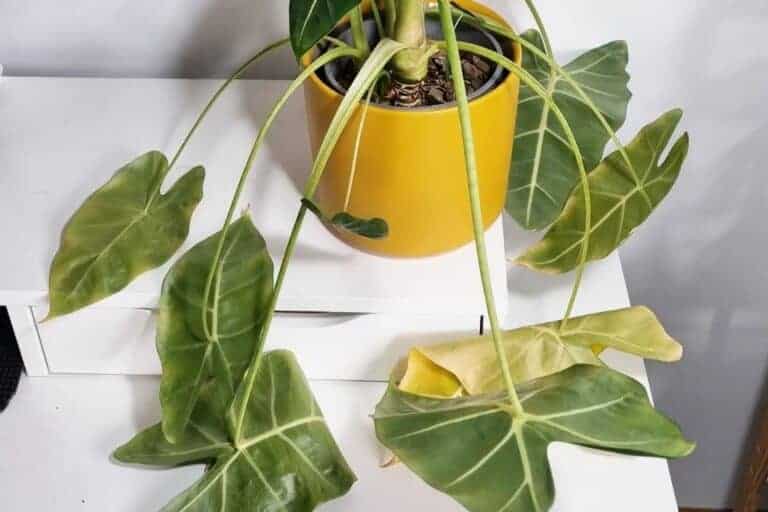
Philodendrons are a wonderful indoor plant to give life and color. They are easy to care for and can provide a lot of oxygen. They are also a very quick growing plant and quickly reward proper care with new growth and leaves. They can also serve as an organic filter. The large, porous leaves help to eliminate harmful chemicals, such as formaldehyde from the air.
You can plant them as a houseplant if you plant seeds in a soil mix that drains well and place them in indirect, warm light. After six weeks, seeds will begin to germinate and develop roots. It is a good idea at this point to spray the soil with water to keep it moist. Once the seedlings are able to be moved to larger containers, they should be placed in bright indirect light and regularly fed with fertilizer in liquid form.
Each Philodendron has its own set of requirements. Some philodendrons require high humidity, while others can withstand low lighting conditions. In general, philodendrons do best in indirect light that is moderate to bright during the daytime. You should water them regularly and can tell when they need watering from the wilting leaves.
A fun fact about Philodendrons is that they produce edible fruit. They are commonly collected from the rainforest by tribes of the indigenous who use them to make medicinal remedies. The fruit can be consumed raw or cooked, depending on your preferences.
If you are planning to grow an indoor philodendron, it is recommended to choose the heart-leaf type. It will thrive in conditions of low light. However, any of the other philodendron varieties would be an excellent choice as long as they are gradually exposed to brighter conditions to ensure that their leaves do not burn. low light houseplants is not only pleasing to the eye but also beneficial to your mental health to have an indoor plant that will improve the air quality in your home.
4. Air Plants
Air plants (also known as Tillandsias) are epiphytes that grow on trees in the wild, but they're gaining popularity as houseplants because of their sculptural beauty and ease of care. These beautiful plants don't require soil to grow. They can be planted in a variety of imaginative ways. They come in a variety of shapes and sizes. Some have flat, spiky, strap-like leaves. Others have flowers which are pink, red or purple.
Like all plants, need water in order to thrive. In the wild, air plants obtain their water from the frequent rain and humid conditions of their natural habitat. But with no soil and drier indoor conditions, providing constant moisture can be difficult for the majority of air plants. The best method to water an air plant is to spray it with a mister every two or three times a week. This will also help keep the leaves from becoming wet, which could cause fungal and rot infections. You can also put your air plant in a container of water that is room temperature. Some recommend that you soak it for an hour or more to ensure the plant is completely soaked in enough water.
The ideal place to grow air plants is a bright area where they can receive indirect light. However, be aware that certain air plant species prefer shady or dappled light instead of full sun. If your air plant is located in direct sun, you should protect the leaves by using a piece fabric or glass.
The majority of air plant issues stem from improper irrigation or humidity conditions. Dehydration can cause your plant to become dry or dull. It may be suffering from rot if it is soft or has dark spots at the base. If it has small twigs growing from the bottom of the plant, it's probably ready to be replanted.
Plants in your home can help you feel more relaxed and relaxed. Research has shown that plants lower cortisol levels, and can aid in sleeping better at night. Plants can boost your creativity.